


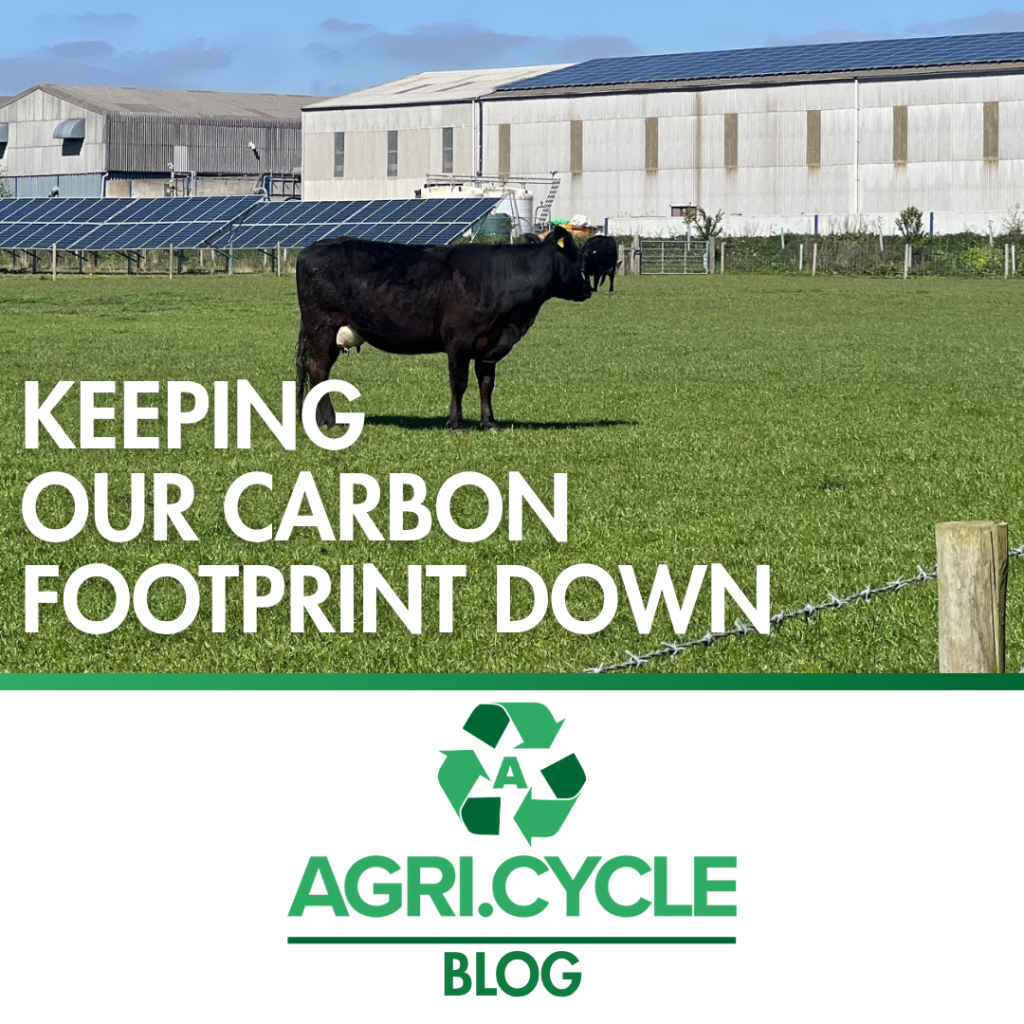
How Agri.Cycle is Reducing Environmental Impact Across Our Operations
Sustainability is no longer a future goal for agriculture. It is a present-day responsibility.
Across the UK, farms are under increasing pressure to reduce emissions, improve efficiency and demonstrate responsible environmental practices. At Agri.Cycle, we recognise that this responsibility does not just sit with the farmer. It sits with us too.
That is why we are continually looking at ways to reduce our own carbon footprint, improve how we operate and ensure the services we provide support a more sustainable future for British farming.
Generating Renewable Energy On Site
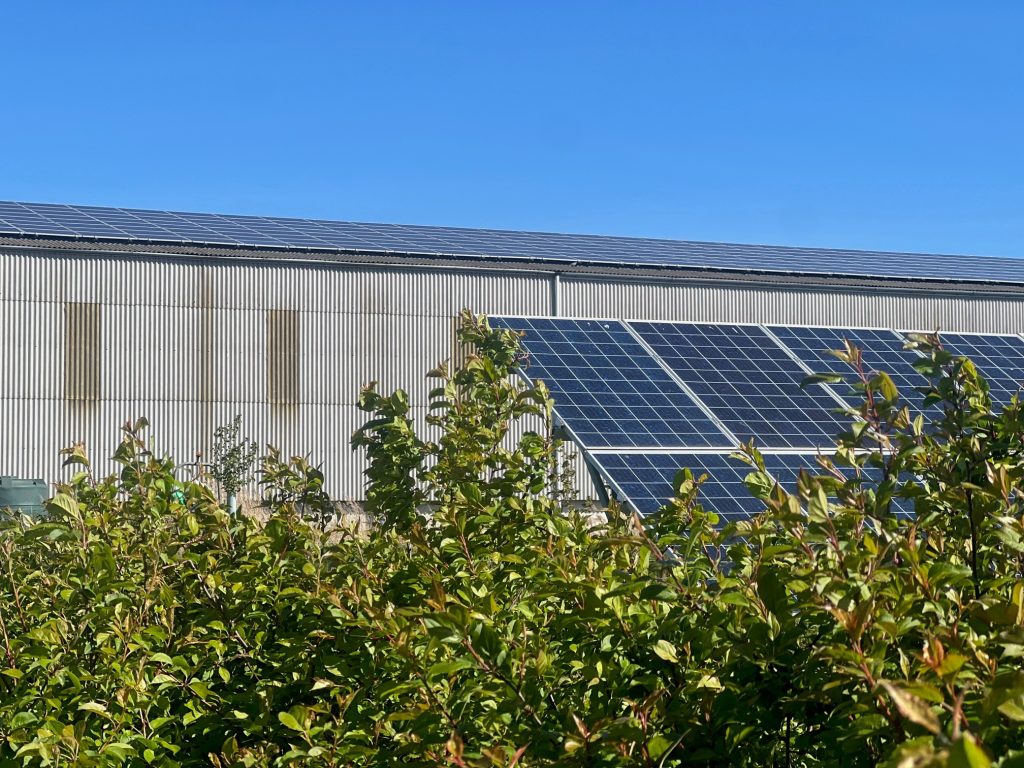
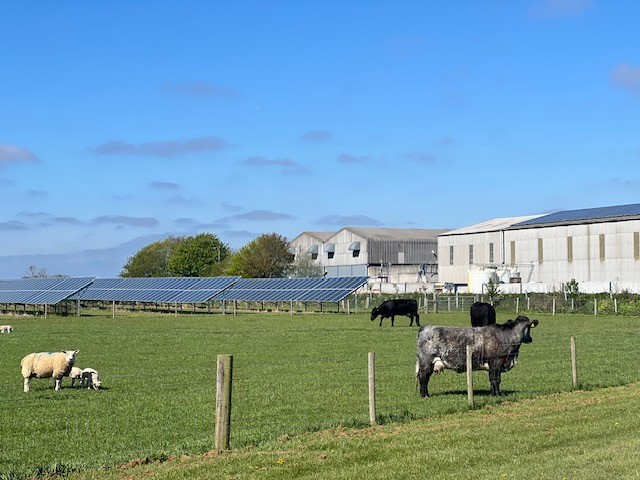
One of the most effective ways we are reducing our carbon footprint is through the use of solar energy across our site.
Our solar panels generate a significant portion of the electricity required to run our day to day operations. This reduces our reliance on external energy sources and helps lower overall emissions associated with our processing activities.
By producing renewable energy on site, we are not only improving efficiency but also ensuring that as our business grows, we are doing so in a way that is mindful of environmental impact.
Investing in Natural Carbon Capture
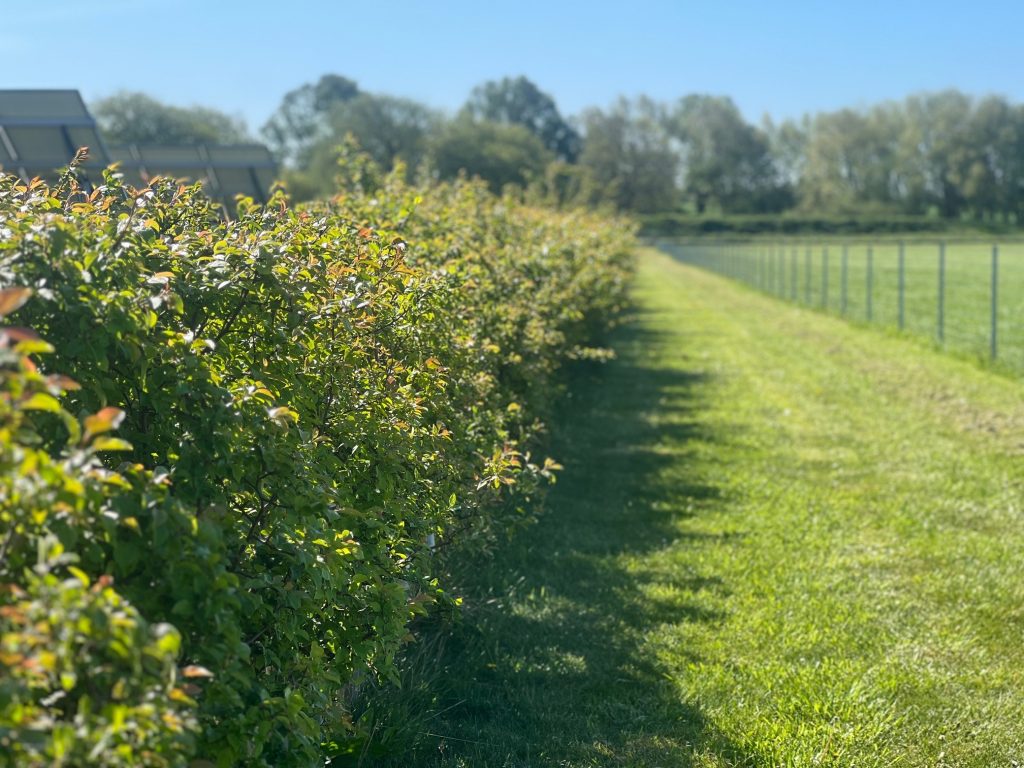
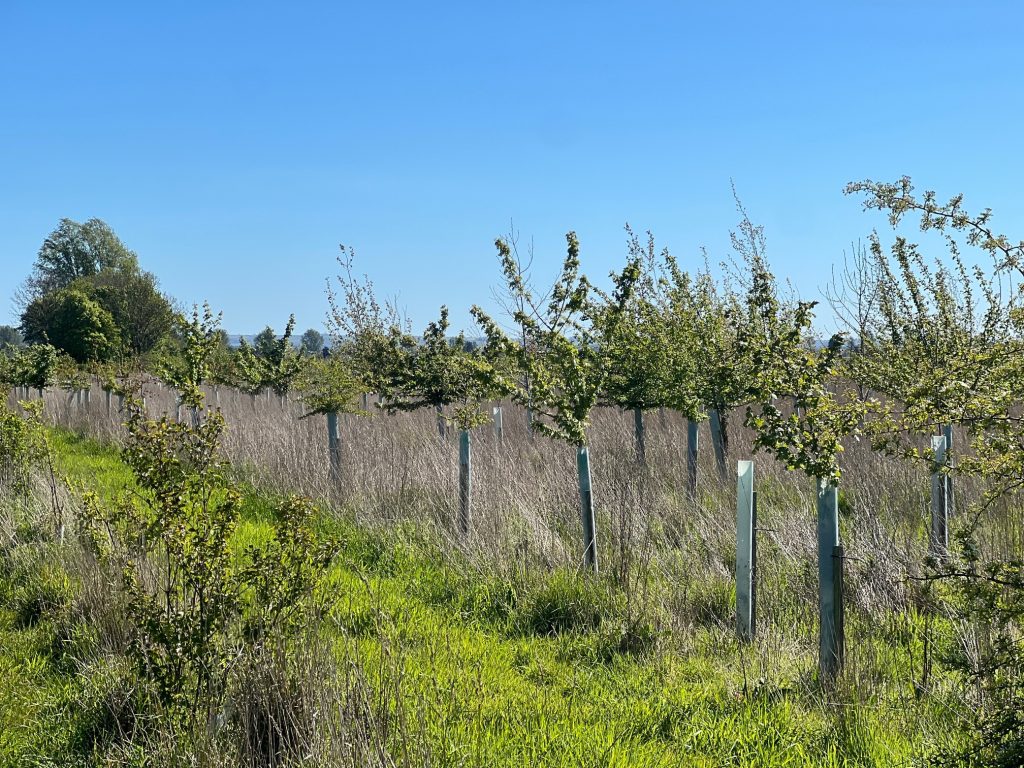
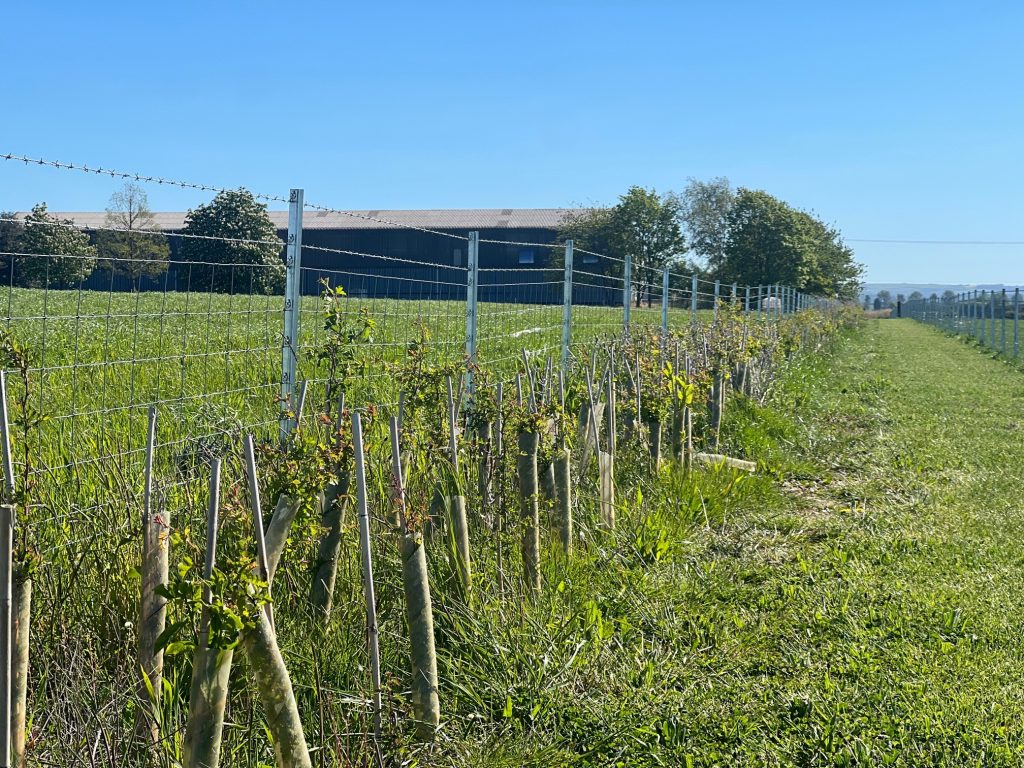
Sustainability is not only about machinery and infrastructure. It is also about working with the natural environment.
Across our site, hedgerows and woodland play a vital role in supporting biodiversity and reducing carbon levels. These natural features provide habitats for wildlife, contribute to healthier ecosystems and actively absorb carbon dioxide from the atmosphere.
By continuing to invest in planting and maintaining these areas, we are helping to create a more balanced environment while contributing to long-term carbon reduction.
It is a simple approach, but one that delivers lasting benefits.
Recycling Water Through Our Treatment Plant
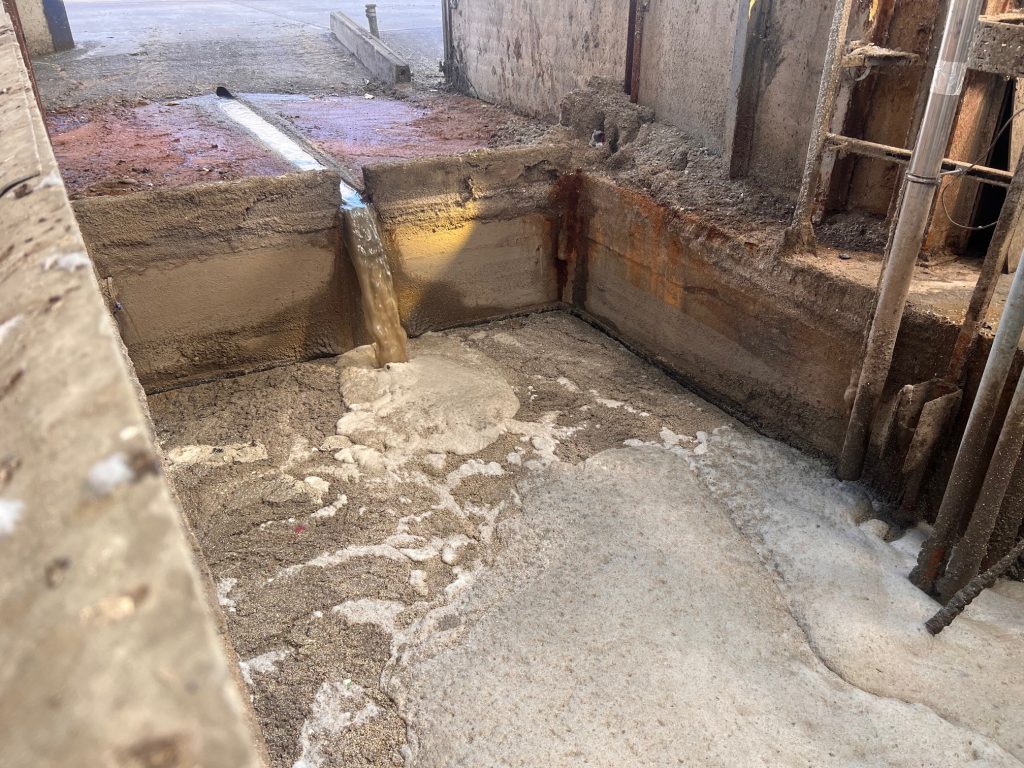
Water usage is another key area where efficiency and sustainability go hand in hand.
Our water treatment plant allows us to recycle water used within our wash plant. Dirty water is processed to remove contaminants, allowing it to be reused when washing the next load of plastic.
This significantly reduces the volume of fresh water required across our operations and ensures we are making the most of the resources available to us.
Efficient water management is essential in modern recycling, and this system allows us to operate in a way that is both practical and environmentally responsible.
Supporting Sustainable Farming Through Better Waste Management
At the core of what we do is helping farms manage plastic waste correctly.
Agricultural plastics, when handled properly, can be collected, processed and recycled rather than burned or sent to landfill. By providing a reliable and compliant service, we help farms reduce their environmental impact while staying aligned with regulations and assurance requirements.
This creates a positive chain effect. Better waste management on farm leads to improved recycling outcomes, which in turn supports wider sustainability goals across the agricultural sector.
Continuous Improvement
Reducing our carbon footprint is not a one-time initiative. It is an ongoing process.
As Agri.Cycle continues to grow, we remain focused on identifying new ways to improve efficiency, reduce emissions and operate more sustainably. Whether through investment in equipment, infrastructure or natural solutions, every step forward contributes to a larger goal.
Sustainability in agriculture is a shared responsibility. By taking action within our own operations, we aim to support the farmers we work with and play our part in protecting the future of the industry.
Looking Ahead
The future of farming will be shaped by how effectively we balance productivity with environmental responsibility.
At Agri.Cycle, we are committed to being part of that future. By reducing our carbon footprint and continually improving how we operate, we are helping to build a more sustainable system for agriculture across the UK.
Because protecting the land we work on today ensures it remains productive for generations to come.